Growing Plant Embroidery Design: A Seasonal Review
As an embroidery designer who spends countless hours digitizing and testing files for real-world application, I approach every new machine embroidery design with a critical eye. It is not just about how it looks on the screen; it is about how it performs on fabric, how it appeals to customers during peak shopping seasons, and whether it adds genuine value to a small shop product line. Recently, I reviewed the Growing Plant Embroidery Design, a piece categorized under Single Flowers that promises nature-inspired simplicity. After putting it through its paces on various textiles and considering its potential for holiday and seasonal collections, I am ready to share my professional assessment.
First Impressions: Minimalist Charm with Emotional Depth
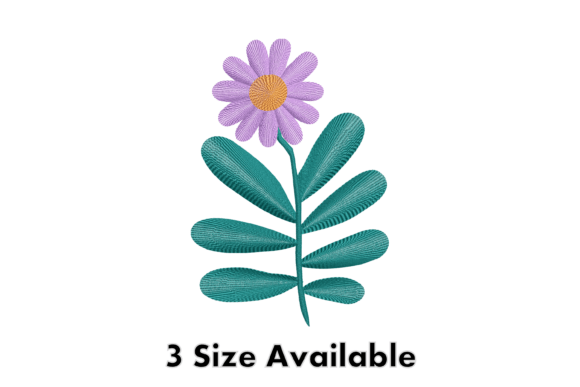
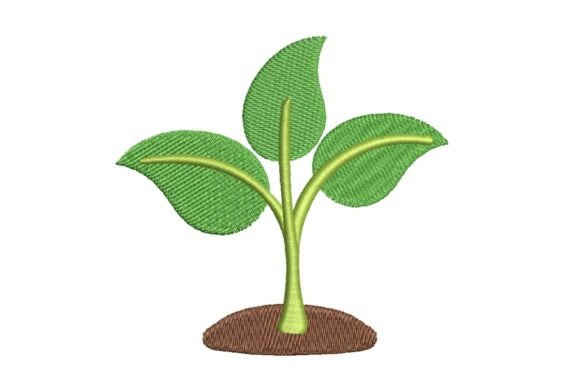
The first thing that strikes you about the Growing Plant Embroidery Design is its clean aesthetic. In a market often saturated with overly complex, high-density patterns, this design offers a breath of fresh air. It captures the essence of growth, gardening, and eco-friendly living without feeling cluttered. The emotional tone is calm, hopeful, and grounded. It does not scream for attention; instead, it invites a closer look. This makes it incredibly versatile for sellers targeting customers who appreciate modern, rustic, or minimalist decor.
For those of us creating seasonal embroidery collections, this design fits seamlessly into spring launches, Earth Day promotions, and even cozy autumn lines where the theme shifts to harvest and gratitude. The decorative style is understated yet elegant, making it suitable for a wide demographic, from young parents looking for gentle nursery decor to adults seeking sophisticated home accents.
Real-World Application in Holiday Selling
When planning a seasonal shop collection, versatility is key. I tested how this embroidery file could translate across different products that perform well during holiday rushes. Here is where I see the most potential:
- Sweatshirt Embroidery: Placed on the left chest or as a small center graphic, this design elevates a basic sweatshirt into a premium item. It works beautifully for family matching sets during holidays, offering a subtle nod to nature rather than loud, festive graphics.
- Tote Bag Design: Eco-conscious shoppers love reusable bags. Stitching this growing plant motif on canvas totes creates an immediate visual connection to sustainability, making it a perfect handmade gift for Earth Day or spring markets.
- Kitchen Towel Embroidery: This is a staple for craft fairs. The simple lines of the design stitch out cleanly on linen or cotton towels, adding a touch of elegance to everyday items. It pairs well with personalized names for a custom personalized gift angle.
- Pillow Cover and Home Decor: For home decorators, this design adds a organic touch to neutral living spaces. It works well on throw pillows, bringing a sense of calm and natural beauty indoors.
- Embroidered Patch: Creating iron-on patches with this design allows customers to customize their own jackets or backpacks. This is a low-cost, high-margin product that appeals to younger demographics.
For Etsy seller accounts and small business owners, the visual appeal of this design translates well into social media previews. A simple, clean design photographs beautifully against textured backgrounds, helping your printable mockup and real-life photos stand out in crowded feeds.
Navigating Technical Challenges and Fabric Choices
While the design is forgiving, there are areas where careful attention is required. As a designer, I always advise checking the specific details of your digital embroidery file before committing to a large production run. Since exact stitch counts and hoop sizes are not provided in the brief description, you must verify these specifications with the file provider.
Here are practical considerations for using the Growing Plant Embroidery Design:
- Stitch Density and Fabric Texture: Because the design is minimalist, the stitch density must be balanced. Too dense, and it may pucker lightweight fabrics like silk or thin cotton. Too loose, and it may not cover the fabric adequately on darker materials. Always test on scrap pieces of your intended fabric.
- Stabilizer Selection: Use the appropriate stabilizer for your fabric type. For stretchy garments like sweatshirts, a cut-away stabilizer is essential to prevent distortion. For woven kitchen towels, a tear-away may suffice, but ensure the stitches do not pull the weave.
- Thread Colors: The beauty of this design lies in its color palette. Test various thread colors on both light and dark fabrics. Greens, earthy browns, and soft pastels work well for spring, while deeper emeralds and golds can elevate it for winter holiday gifts. Avoid metallic threads if the design has very fine details, as they can break easily and may not lay flat.
- Hoop Size Constraints: Ensure the design fits comfortably within your chosen hoop size. If scaling down for small items like baby bibs or ornaments, check that the smallest details remain visible and do not become a blob of thread.
Enhancing Brand Consistency and Customer Trust
Incorporating the Growing Plant Embroidery Design into your product line can significantly boost brand consistency if your shop focuses on natural, handmade, or eco-friendly themes. Customers today are looking for authenticity. A well-executed, simple design signals quality and thoughtfulness. It builds trust because it shows that you care about the aesthetic and the message behind the product.
During holiday shopping periods, buyers are often overwhelmed by choices. A clean, nature-inspired design offers a moment of calm. It appeals to the emotion of giving something meaningful—a symbol of growth and life. This emotional connection can increase the perceived value of your finished product, allowing you to price your items competitively while maintaining healthy margins.
Final Designer Notes for Commercial Use
Before listing any items made with this design, confirm the commercial licensing terms. Not all commercial embroidery files allow unlimited sales, so read the license agreement carefully. Additionally, create realistic mockups that show the texture of the stitches. Customers want to see the depth and quality of the embroidery, not just a flat digital image.
Review the small details after stitching a sample. Check for jumps, loose threads, or registration issues. A flawless sample is your best marketing tool. Whether you are creating holiday embroidery for Christmas gifts or spring items for Easter, the Growing Plant Embroidery Design offers a reliable, attractive option for your catalog. By focusing on quality execution and thoughtful product placement, you can turn this simple sprouting plant into a standout bestseller for your small shop.