Review: Happy Sun Embroidery Design for Summer Projects
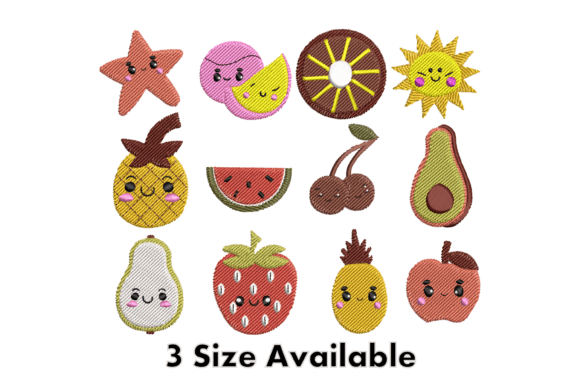
As a designer who has spent years digitizing and stitching thousands of files, I have learned that the simplest motifs are often the hardest to get right. A smiley face might look easy on screen, but translate it into thread, and you risk a muddy mess if the stitch placement isn’t precise. When I first loaded the Happy Sun Embroidery Design into my software, I was looking for more than just cuteness. I wanted to see if this file could hold up under the scrutiny of a professional hoop test. The initial impression is undeniably cheerful. The smiling face and rosy cheeks create an immediate mood lift, which is exactly what clients look for when commissioning Summer themed items or brightening up a dull wardrobe.
First Impressions and Visual Personality
The layout of this design relies heavily on clean lines and balanced proportions. In machine embroidery, symmetry is key to perceived quality. The sun’s rays appear evenly spaced, which suggests careful digitizing. For a reviewer, this is the first green flag. Poorly spaced rays can cause fabric puckering or uneven tension during high-speed stitching. The visual personality here is soft and approachable. It does not try to be overly complex or realistic. Instead, it leans into a stylized, graphic aesthetic that works exceptionally well for modern handmade product lines. This is not a vintage, intricate piece; it is a bold, happy statement suitable for contemporary custom apparel and nursery decor.
Real-World Application: The Tote Bag Test
To truly evaluate an embroidery file, you must imagine it on a specific substrate. I visualized this design centered on a natural cotton canvas tote bag. This is a staple item for any Etsy seller or craft fair vendor. The contrast between the bright yellow threads typically used for sun motifs and the neutral beige of canvas is striking. In this scenario, the Happy Sun Embroidery Design shines. The scale seems appropriate for a standard tote, neither disappearing into the weave nor overwhelming the bag’s structure. If you are creating a personalized gift for a teacher or a summer camp counselor, this motif serves as an excellent standalone element or as a complement to a monogram.
Beyond totes, consider sweatshirt embroidery. Placing this on the left chest of a pastel hoodie creates a boutique feel. However, on heavier fabrics like fleece, you must pay attention to the stitch type. If the design uses dense fill stitch areas for the face, it may become stiff. A well-digitized version should balance fill with running stitch outlines to maintain flexibility. For baby embroidery, such as on a onesie or burp cloth, the softness of the design is a major selling point. Parents gravitate toward friendly faces, and the rosy cheeks add a touch of warmth that photographs beautifully for online listings.
Technical Considerations for Stitching Success
While the design is charming, technical execution determines whether it looks amateur or professional. One critical factor is stitch density. If the sun’s face is too densely packed, it will pull on lightweight fabrics like jersey or voile. Always check the density settings in your software before stitching. For textured fabrics, such as terry cloth towels or waffle-weave aprons, ensure the design has enough definition to stand out against the pile. A design that relies solely on subtle shading may get lost in thick textures.
Another consideration is the hoop size. Ensure the design fits comfortably within your chosen hoop with adequate margin for stabilization. Do not push the design to the very edge of the hoop, especially on curved surfaces like caps. Speaking of caps, this design could work on a dad hat, but the curvature requires careful hooping and possibly a backing stabilizer to prevent distortion. For dark fabrics, you must verify if the design includes underlay stitches that provide a solid base for light-colored threads. Without proper underlay, yellow thread on navy blue fabric will look dull and uneven.
Stabilizer and Thread Choices
The choice of stabilizer can make or break this project. For stretchy knits, a cut-away stabilizer is non-negotiable to prevent the design from warping after washing. For woven cottons, a tear-away may suffice, but test it first. Regarding thread colors, while yellow is obvious for the sun, do not neglect the details. The rosy cheeks should use a soft pink that complements rather than clashes with the yellow. High-quality rayon or polyester threads will give the satin elements a sheen that enhances the cheerful vibe. Avoid matte cotton threads for the main body unless you are aiming for a rustic, folk-art look.
Commercial Viability and Brand Consistency
For small shop product creators, consistency is vital. Does this Happy Sun Embroidery Design fit your brand? If your shop focuses on minimalist, monochrome items, this might be too playful. However, for brands centered on joy, childhood, or seasonal vibrancy, it is a perfect asset. It adds value to finished product offerings by providing an instant emotional connection. Customers often buy with their eyes, and a well-stitched sun evokes feelings of warmth and happiness. This emotional resonance can increase conversion rates on platforms like Etsy.
When using this for commercial embroidery projects, always verify the license. Some digital files are for personal use only, while others allow unlimited commercial sales. Assuming the license permits, this design can be scaled for various applications, from small embroidered patch creations to larger wall hangings. It also works well in printable mockup previews, helping customers visualize the final item before purchase.
Final Verdict and Designer Notes
In summary, the Happy Sun Embroidery Design is a strong contender for your design assets library. It offers versatility across multiple product categories, from holiday embroidery gifts to everyday tote bag design updates. Its strength lies in its simplicity and emotional appeal. However, success depends on your technical preparation.
- Always test the design on scrap fabric identical to your final material.
- Check thread color contrast, especially on dark or patterned backgrounds.
- Inspect small details like the eyes and mouth for clarity after stitching.
- Use proper stabilizer to maintain shape and prevent puckering.
- Confirm licensing terms before selling finished items or digital products.
If you approach this file with a critical eye and respect for the mechanics of machine embroidery, it will serve you well. It is not just a cute image; it is a functional tool for creating joyful, marketable goods. Whether you are a hobbyist making gifts for friends or a seasoned craft business owner expanding your summer collection, this design deserves a spot in your rotation. Just remember, the magic happens in the stitching, not just the downloading. Take the time to refine your setup, and let this little sun bring some genuine brightness to your workspace.