Review: Desert Cactus Patch Embroidery File for Merch
As an embroidery designer who has spent years digitizing files and consulting with small business owners, I approach every new machine embroidery design with a critical eye. It is not just about whether the artwork looks pretty on a screen; it is about how that design translates to fabric, withstands wear, and elevates a brand. Recently, I reviewed the Desert Cactus Patch Embroidery File, and I want to share my professional assessment of its potential for commercial use.
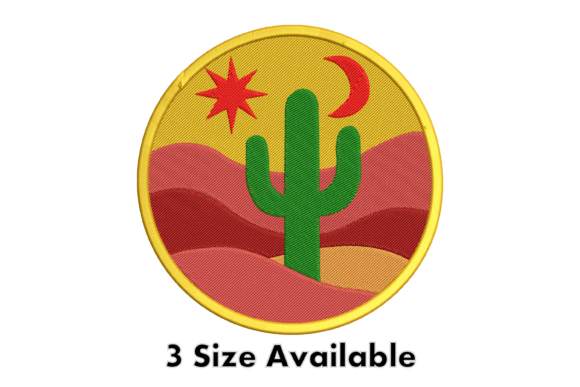
This vibrant desert cactus embroidery design features colorful dunes, crescent moon, and star in a sunset palette. Upper line machine embroidery file is available in 3 sizes. Perfect for t-shirt for m. While the description cuts off, the core elements provide enough context to evaluate its viability for small business merch and branded applications. Here is how this design performs in a real-world production environment.
First Impressions and Visual Personality
The immediate visual impact of the Desert Cactus Patch Embroidery File is warm and inviting. The combination of a cactus, dunes, and celestial elements like a crescent moon and star creates a narrative of calm and natural beauty. For brands operating in the Summer sector, such as beach boutiques, outdoor gear shops, or organic skincare lines, this aesthetic is highly relevant. The sunset palette suggests a playful yet elegant tone, avoiding the harshness of high-contrast corporate logos while maintaining a professional finish.
From a design perspective, the inclusion of "upper line" details suggests a focus on clean outlines rather than dense fill stitches. This is crucial for modern embroidery trends, which favor lighter, breathable designs over heavy, stiff patches. The vibe is distinctly handmade and rustic, which appeals to consumers looking for authenticity in their purchases.
Real-World Business Applications
When evaluating a digital embroidery file for client work, I look for versatility. The Desert Cactus Patch Embroidery File offers several strong avenues for monetization and brand building:
- Embroidered Patches: This is the most obvious application. The self-contained nature of the cactus and moon motif makes it ideal for iron-on or sew-on patches. These can be sold as standalone accessories or added to denim jackets and backpacks.
- Staff Uniforms and Aprons: For cafes, florists, or boutique hotels, this design works beautifully on apron embroidery. It adds a touch of personality to staff attire without being overly distracting. The organic shapes soften the look of standard uniforms.
- Cap Embroidery: Placed on the side panel or back of a trucker hat, this design can serve as a subtle brand accent. However, placement is key due to the curved surface.
- Tote Bag Design: Canvas tote bags are a staple for eco-conscious brands. The sturdy fabric handles the stitch density well, and the colorful palette pops against natural cotton or linen backgrounds.
- Custom Apparel: Beyond t-shirts, consider this for sleeve details on long-sleeve shirts or as a chest pocket accent on work shirts. It transforms basic garments into premium, custom pieces.
Technical Considerations for Production
While the artistic merit is high, technical execution determines the quality of the finished product. Here are specific areas where caution and testing are required when using the Desert Cactus Patch Embroidery File.
Fabric Texture and Stabilizer Choice
The description mentions "colorful dunes" and a "sunset palette," implying multiple thread colors. On textured fabrics like terrycloth or heavy canvas, fine details can get lost. I recommend using a cut-away stabilizer for stretchy fabrics like t-shirts to prevent distortion. For woven fabrics like twill caps or tote bags, a tear-away stabilizer may suffice, but always test first. The stitch density must be balanced; if the file is too dense, it will pucker lightweight fabrics. If it is too sparse, the backing material might show through on dark uniforms.
Size and Scalability
The file is available in 3 sizes, which is a significant advantage. However, you must verify the hoop size compatibility with your machine. When scaling down for small patch sizes or cap fronts, ensure that the "upper line" details do not become so thin that they break during washing or wear. Tiny lettering or intricate star points may merge if the design is reduced beyond its intended limit. Always check the smallest size option to ensure legibility and structural integrity.
Color Contrast and Thread Selection
The sunset palette relies on gradient-like transitions between dunes and sky. In embroidery, we achieve this through thread color changes. On dark uniforms, such as navy or black staff shirts, the lighter colors in the sunset palette will stand out vividly. However, if you are embroidering on light beige or white fabric, ensure there is enough contrast in the darker cactus greens and moon outlines. I advise creating a printable mockup with your specific thread chart to visualize the final look before stitching.
Enhancing Brand Identity and Trust
For small business owners, every touchpoint matters. Using a cohesive design assets library helps build recognition. The Desert Cactus Patch Embroidery File can serve as a secondary logo or a seasonal variant of your primary brand mark. Consistency in using this motif across tote bags, aprons, and packaging inserts creates a unified brand experience.
Customers associate high-quality embroidery with professionalism and care. A well-executed embroidered patch signals that a brand invests in durability and detail. This perception increases the perceived value of the handmade product and fosters customer trust. Whether used for customer gifts, event merch, or Etsy branding, this design adds a tactile dimension that printed graphics cannot match.
Practical Designer Notes for Buyers
Before integrating this file into your commercial embroidery workflow, follow these steps to ensure success:
- Test in Black and White: Convert the design to monochrome in your software to check for spacing issues. If the shapes merge without color, they may be too close together for reliable stitching.
- Verify Commercial Licensing: The product description does not explicitly state license terms. Always confirm with the seller that the file includes a commercial use license before selling items made with it.
- Check File Formats: Ensure the download includes the format compatible with your machine (e.g., PES, DST, JEF). Missing formats can halt production.
- Create Client Mockups: Use the design in digital mockups to show clients how it will look on different items. This helps manage expectations regarding size and color placement.
- Inspect Stitch Direction: Look at the stitch angles in the preview. Proper directionality ensures the design lays flat and reflects light consistently, enhancing the premium look.
In conclusion, the Desert Cactus Patch Embroidery File is a versatile asset for businesses looking to add a touch of warmth and nature-inspired elegance to their merchandise. With careful attention to fabric choice, stabilizer selection, and size scaling, it can become a standout element in your custom apparel and accessory lineup. By treating this design as a strategic brand tool rather than just decoration, you can enhance customer engagement and drive sales through high-quality, tangible products.