Reviewing the Recycle Bin Embroidery Design for Holiday Sales
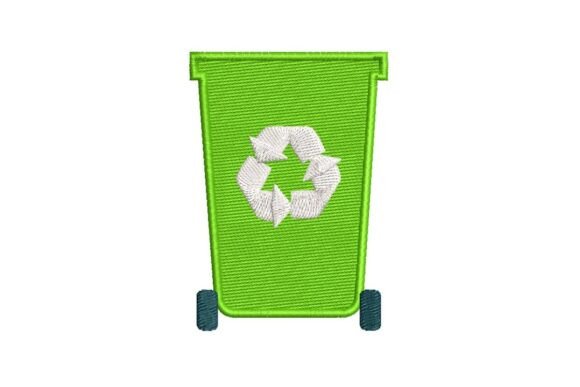
As an embroidery designer who spends most of the year planning seasonal collections, I am always on the lookout for motifs that bridge the gap between niche awareness and mainstream appeal. When I first pulled up the Recycle Bin Embroidery Design in my digitizing software, my immediate impression was one of vibrant utility. This is not just a standard icon; it is a statement piece rooted in the Awareness category, yet it carries a playful, modern energy that fits surprisingly well into holiday and gift-giving contexts. The bright green hue commands attention, suggesting freshness and renewal, which aligns perfectly with spring celebrations, Earth Day, and even back-to-school sustainability drives.
First Impressions: Mood and Decorative Style
The design strikes a balance between educational and decorative. It feels less like a rigid corporate logo and more like a friendly reminder to care for our planet. For sellers, this emotional tone is crucial. Buyers are increasingly drawn to products that reflect their values. The style is clean and bold, avoiding excessive micro-details that might get lost in translation on textured fabrics. It feels contemporary and slightly rustic if paired with natural fibers, making it versatile for various aesthetic preferences. Whether you are aiming for a cozy home vibe or a crisp, modern look, this motif adapts well.
Strategic Placement in Seasonal Collections
Integrating this design into your shop requires thinking beyond traditional holidays. While it is perfect for Earth Day, its application extends to any season where "new beginnings" or "clean living" are themes. Here is how I envision using this machine embroidery design across different product lines:
- Sweatshirt Embroidery: Place the design on the left chest of organic cotton hoodies. This creates a subtle, premium look that appeals to eco-conscious consumers looking for comfortable, everyday wear.
- Tote Bag Design: A large-scale version on canvas totes is a no-brainer. It turns a functional item into a walking billboard for sustainability, perfect for grocery runs or farmers' market visits.
- Kitchen Towel Embroidery: Use this on linen or cotton blends. It adds a touch of personality to the kitchen and serves as a great conversation starter during holiday gatherings.
- Embroidered Patch: Create iron-on or sew-on patches. These are excellent for upselling at craft fairs or including as freebies with larger orders to boost customer loyalty.
- Pillow Cover: For home decor, consider placing the design on neutral-toned pillow covers. It adds a pop of color without overwhelming the room’s aesthetic.
Performance in Real Selling Situations
From a business perspective, the Recycle Bin Embroidery Design performs exceptionally well in specific retail scenarios. For Etsy seller accounts, this design helps differentiate your small shop product lineup from generic competitors. It allows for creative bundling, such as pairing a tote bag with a matching set of kitchen towels. During holiday seasons, these bundles make for thoughtful, handmade gift options that feel personalized and meaningful.
In craft fair displays, items featuring this design stand out due to the bright color contrast. When creating social media previews, the bold green translates well on screens, catching the eye of scrollers. For printable mockup creation, ensure you showcase the design on diverse backgrounds to demonstrate its versatility. This visual recognition builds brand consistency, signaling to your audience that your shop supports conscious living.
Technical Considerations and Cautions
While the design is robust, there are areas where caution is necessary. As a designer, I always advise checking the stitch density before running a full production batch. If the design has dense filling stitches, it may pucker lightweight fabrics. Always use the appropriate stabilizer—cut-away for stretchy garments like sweatshirts and tear-away for stable woven fabrics like aprons or table linens.
Be mindful of hoop size limitations. If you are working with small hoops, ensure the design scales down without losing legibility. Tiny details can merge together if the scale is too small. Additionally, when stitching on dark fabric, you may need to adjust the thread colors or use an underlay stitch to prevent the fabric color from showing through the green threads. For metallic thread enthusiasts, test carefully, as metallic threads can be brittle and may break in high-density areas.
Avoid placing this design on highly curved surfaces like fitted caps unless you have experience with hoopless embroidery or specialized cap frames, as distortion can occur. Also, consider the washability of the finished product. Ensure that the thread quality matches the fabric care instructions to maintain the vibrancy of the green after repeated washing.
Enhancing Buyer Emotion and Product Value
The true power of this digital embroidery file lies in its ability to connect with buyer emotion. In today’s market, customers are not just buying a product; they are buying into a value system. By offering items with this design, you are validating their commitment to environmental stewardship. This increases the perceived value of the item, allowing for potentially higher price points compared to generic designs.
For commercial embroidery purposes, this design fosters trust. It shows that your brand is aware of current social trends and is willing to incorporate them into your art. This engagement is vital during holiday shopping periods when buyers are looking for gifts that speak to the recipient’s identity. A personalized gift featuring this motif, perhaps with a name stitched below, becomes a cherished item rather than a disposable commodity.
Practical Designer Notes for Implementation
- Test Thread Colors: Always run a test stitch-out on both light and dark fabrics. The bright green may need adjustment depending on the background contrast.
- Check Stitch Density: Review the digitizing settings. If the density is too high for your fabric type, consider reducing it to prevent puckering.
- Confirm Hoop Size: Verify that the design fits comfortably within your standard hoop sizes without requiring excessive re-hooping.
- Use Proper Stabilizer: Match the stabilizer to the fabric texture. Delicate fabrics need gentle support, while heavy denim needs firm stabilization.
- Create Realistic Mockups: Use high-quality photos or digital mockups that show the texture of the stitches. This helps manage customer expectations.
- Review Small Details: After stitching, inspect the edges of the bin and the recycling symbol for cleanliness. Trim any jumps or loose threads meticulously.
- Plan Matching Color Palettes: Coordinate the green with complementary colors in your product line, such as earth tones or crisp whites, to create cohesive collections.
- Confirm Commercial Licensing: Before selling any finished product, ensure you have the correct license for the embroidery file. Never assume; always read the terms provided by the designer.
In conclusion, the Recycle Bin Embroidery Design is a valuable asset for any embroidery business looking to expand its seasonal offerings. It combines aesthetic appeal with meaningful messaging, making it a strong contender for both everyday items and special occasion gifts. By paying attention to technical details and leveraging its emotional resonance, you can create products that not only sell well but also contribute to a broader conversation about sustainability.