Embroidery Pattern: A Designer's Review for Gifts
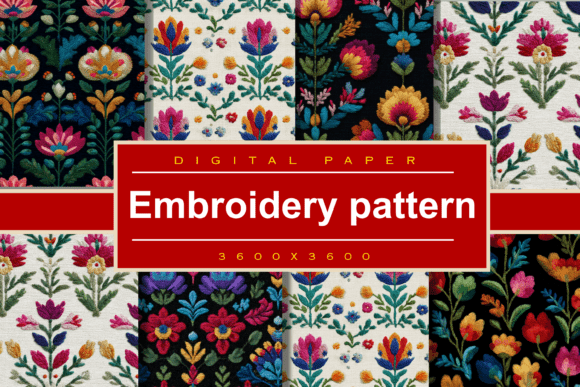
As an embroidery designer who has spent years curating collections for personalized gift shops, I approach every new digital asset with a critical yet hopeful eye. When I first opened the Embroidery Pattern Digital Paper Hand-Stitched Scrapbook Junk Journal Background Embroidery Pattern Digital Paper Pack, I was immediately struck by its unique aesthetic. This is not your standard floral motif or bold lettering design. Instead, it offers a textured, artistic vibe that feels deeply connected to the handmade movement. For those of us creating personalized gifts, finding a background that adds depth without overwhelming the main message is often the hardest part of the process. This pack promises twelve high-resolution designs delivered in JPG format, and my goal today is to review how this specific collection performs when translated from a screen into a tangible, cherished object.
The Mood and Charm of a Junk Journal Aesthetic
The first impression of this Embroidery Pattern is one of nostalgic warmth. The "hand-stitched" look inherent in the scrapbook style gives the design a playful, romantic, and slightly imperfect charm that modern buyers crave. In the world of custom embroidery, perfection can sometimes feel cold. These designs, categorized under Backgrounds and Graphics, introduce a tactile quality even before a single thread is stitched. They feel sweet and classic, perfect for adding a layer of storytelling to a project. Whether you are designing a nursery item or a wedding keepsake, the visual texture suggests a history, a memory, or a love letter crafted with care. This emotional appeal is exactly what drives sales for small business owners and Etsy sellers looking to differentiate their products from mass-market competitors.
From Screen to Stitches: Real-World Applications
Let’s imagine a real customer scenario. A mother wants a meaningful embroidered towel for her newborn, featuring a name surrounded by soft, artistic elements. Using the Embroidery Pattern as a backdrop, the result transforms a simple kitchen utility into a heirloom-quality piece. The intricate details of the junk journal style work beautifully on items like pillow covers, aprons, and tote bags. Because the designs are provided as high-resolution graphics, they serve as excellent references for digitizing or as printable mockups to show clients before production begins.
For wedding gift designers, these patterns offer a sophisticated alternative to traditional lace motifs. Imagine a guest book cover or a set of napkins where the background subtly mimics the look of aged paper and hand-drawn sketches. This elevates the perceived value of the handmade product. Similarly, for baby embroidery projects, the soft, organic lines of the scrapbook style create a gentle environment for names and dates. As an Etsy seller, I find that customers are willing to pay a premium for items that look curated and artistic rather than generic. This pack provides the visual language needed to achieve that "boutique" look.
Ideal Projects for This Design Style
- Nursery Decor: Use the softer tones for blanket embroidery or wall hangings.
- Kitchen Textiles: Create custom aprons and tea towels that double as art.
- Event Keepsakes: Design pillow covers for weddings or anniversaries.
- Personalized Totes: Add a touch of whimsy to canvas bags for craft fairs.
- Small Shop Products: Enhance journals and scrapbooks with matching embroidered accents.
Navigating Challenges: Where Caution is Needed
While the artistic potential is immense, a professional designer knows that not every pattern suits every application. The Embroidery Pattern features delicate details that mimic paper textures and fine stitching. When translating these into actual thread, we must be mindful of stitch density and fabric choice. If you attempt to replicate the finest lines on a thick, looped towel or a stretchy baby onesie, the detail may get lost or cause puckering. The fabric texture plays a crucial role here; smooth cotton or linen will hold the definition much better than heavy terry cloth.
Furthermore, consider the color palette. These designs often rely on contrast to define the "hand-stitched" illusion. On dark fabric, light thread might blend in if the density isn't managed correctly. Conversely, on very light fabrics, dark outlines might appear too harsh if not softened with proper shading techniques. It is also vital to remember that curved surfaces, such as the sides of a mug or the top of a hat, can distort the perspective of these detailed backgrounds. Always test on a flat surface first to ensure the geometry remains true.
Practical Notes for the Professional Maker
Before you commit to a full batch of custom embroidery orders using this concept, follow these practical steps to ensure success:
- Test on Scrap Fabric: Never skip the test stitch. Run a sample on the exact material you plan to use for the final product to check how the threads settle.
- Check Thread Color Contrast: Ensure your chosen thread colors pop against the background fabric while maintaining the soft, vintage feel of the original graphic.
- Confirm Hoop Size: Since the pack includes dimensions, verify that your machine hoop can accommodate the full width of the design without distorting the edges.
- Review Stitch Density: If you are digitizing these yourself, watch out for areas that might become too dense, which can lead to fabric damage or stiff finished products.
- Use Proper Stabilizer: Delicate details require strong support. Use a tear-away or cut-away stabilizer appropriate for your fabric weight to prevent shifting.
- Compare Mockups: Look at how the design appears on both light and dark fabric mockups to anticipate how the final finished product will photograph.
- Verify Licensing: Before selling any commercial embroidery items, confirm that your license allows for the sale of finished goods. This is critical for protecting your small business.
Impact on Giftability and Customer Trust
Ultimately, the decision to use a specific design comes down to how it makes the customer feel. The Embroidery Pattern excels in creating an emotional connection. When a buyer receives a gift with this level of artistic detail, they perceive it as more thoughtful and unique. This directly impacts customer trust and engagement. High-quality visuals in your product photography can showcase the intricate nature of the design, drawing buyers in and encouraging them to envision the item in their own homes.
For the small shop owner, offering items with such distinct character helps build a loyal following. It signals that you care about aesthetics and quality. Whether you are creating a wedding gift or a simple personalized gift for a friend, the right background elevates the entire piece. By carefully selecting the right fabric, testing your stitches, and understanding the limitations of the design, you can turn these digital graphics into physical treasures that people will cherish for years.
In conclusion, this digital embroidery file pack offers a fantastic resource for designers looking to add a scrapbook-style flair to their work. While it requires attention to detail regarding fabric choice and digitization, the payoff in terms of visual appeal and marketability is significant. It is a tool that, when used correctly, can transform a simple textile into a story-telling masterpiece.