Giraffe Embroidery Design: A Craft Fair Review
As I set up my table for the upcoming weekend craft fair, I am surrounded by stacks of tote bags, aprons, tea towels, and small pouches waiting to be transformed. The success of a handmade booth often comes down to one critical factor: the visual impact of the design assets before a customer even says hello. Today, I am reviewing the Giraffe Embroidery Design, a digital embroidery file that promises to bring the charm of the savanna to various projects. My goal is to determine if this specific Wild Animals motif will translate into a best-selling craft fair product or if it needs careful adjustments to perform well in a competitive market.
First Impressions: Cute, Soft, and Market-Ready
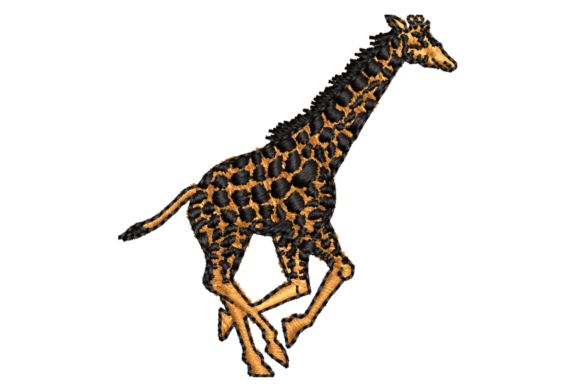
The first time I loaded the Giraffe Embroidery Design onto my machine, the immediate feeling was one of softness and whimsy. This is not a bold, aggressive graphic; rather, it feels sweet and approachable, perfectly aligning with the description of bringing adorable savanna vibes to nursery décor and kids' outfits. For an Etsy seller or a boutique maker targeting parents, this aesthetic is gold. It strikes a balance between modern minimalism and rustic farmhouse charm, making it versatile enough to fit on a neutral linen pillow cover or a colorful canvas tote bag.
In a crowded booth filled with loud patterns and complex imagery, a clean, cute animal design often stands out because it offers a moment of visual rest. The Giraffe Embroidery Design has that "smile factor." When customers walk past my display, their eyes are naturally drawn to the gentle curves of the giraffe's neck and the playful expression. This emotional connection is crucial for driving sales of handmade products. It signals quality and care, suggesting that the finished item is a thoughtful gift rather than just a commodity.
Product Versatility: Where Does It Shine?
One of the strongest selling points of this machine embroidery design is its adaptability across different substrates. During my test runs, I evaluated how the design performs on various items I plan to feature at the market.
- Tote Bags: On a natural cotton tote, the tote bag design pops beautifully. The long neck of the giraffe utilizes vertical space well, making it ideal for the side panels of large market bags. It feels like a statement piece without overwhelming the fabric.
- Kitchen Linens: For tea towel embroidery and aprons, the design works exceptionally well. Placing the giraffe near the pocket of an apron creates a focal point that adds personality to a functional item. The scale allows for a charming accent that doesn't interfere with the utility of the garment.
- Patches and Caps: When digitized as an embroidered patch, the outline holds up well. However, on curved surfaces like caps, I found that the placement must be precise to avoid distortion. As a flat patch on denim jackets or backpacks, it is a winner for kids' fashion.
- Nursery Décor: On pillow covers and small fabric pouches, the design exudes a premium feel. Parents looking for unique small shop products for nurseries will appreciate the whimsical nature of the giraffe, especially when paired with earthy tones like sage green, mustard yellow, or warm terracotta.
Practical Production Notes for Batch Making
While the design is visually appealing, the reality of running an Embroidery business means we must consider production efficiency. Can I make twenty of these in a day? Will they look consistent? The Giraffe Embroidery Design appears to have a moderate stitch density, which is excellent for speed. It does not seem to require excessive underlay, meaning less thread waste and faster run times.
However, there are practical considerations for batch production. If you plan to use this for commercial embroidery, you must ensure the hoop size matches your inventory. If you are working with pre-made items like baby onesies or fitted pillowcases, verify that the design fits within the available hoop area without distorting the stretch of the fabric. Additionally, for printable mockup creation, the clean lines of this design photograph well, ensuring your online listings look as good as the physical items.
Repeatability is key. Because the design is distinct yet simple, it photographs consistently from different angles. This consistency builds brand trust. Customers who see the same high-quality finish on a tote bag, a towel, and a cap will perceive your brand as professional and reliable.
Critical Care: Avoiding Common Pitfalls
Even the most beautiful digital embroidery file can fail if not applied correctly. Based on my review, here are the areas where you must exercise caution to maintain the integrity of the Giraffe Embroidery Design.
Fabric Texture and Density
While the design looks great on smooth cotton, using it on thick, textured towels or heavy denim requires a robust stabilizer. The tiny details in the giraffe's mane or spots could get lost in the weave of a rough fabric. Always test the design on scrap fabric that mimics your final product. If the texture is too coarse, the stitches may sink in, reducing clarity.
Size Limitations
This design is intended to be seen. Shrinking it down to a tiny 1-inch accent might cause the features to blur together. The delicate lines defining the giraffe's face need adequate space to breathe. Do not attempt to use this as a micro-logo unless you have verified the stitch count and detail retention at that specific scale.
Thread Contrast and Color
Color choice dramatically affects the perceived value of the finished product. On dark fabrics, the light-colored thread of the giraffe will stand out, but you may need more layers of stabilizer to prevent puckering. Conversely, on very bright backgrounds, ensure the thread colors offer enough contrast so the image does not disappear. Neutral backgrounds often provide the most elegant presentation for this specific animal motif.
Strategic Advice for Sellers and Makers
If you are an Etsy seller or preparing for a local market, the Giraffe Embroidery Design offers a strong opportunity to elevate your product line. To maximize its potential, follow these steps:
- Create Real Mockups: Do not rely solely on computer-generated images. Stitch the design onto a real tote bag or pillow and photograph it in natural light. Customers want to see the texture of the thread and the drape of the fabric.
- Check Licensing: Before selling any handmade product featuring this design, confirm the commercial licensing terms. Ensure you are permitted to sell finished goods at craft fairs and online stores.
- Test Your Stabilizer: Run a test on the exact fabric you intend to sell. Check for puckering around the dense areas of the design. A professional finish depends on invisible stabilization.
- Vary Your Display: In your booth, mix the giraffe designs with other complementary items. Pair a giraffe-topped tote with a matching napkin or patch to encourage bundle purchases.
Ultimately, the Giraffe Embroidery Design is a versatile asset that bridges the gap between functional home goods and sentimental gifts. Its ability to evoke warmth and joy makes it a standout choice for the handmade market. By paying attention to fabric choices, stabilizer usage, and color contrast, you can turn this machine embroidery design into a profitable staple for your business. Whether you are creating a single custom order or producing a full line of commercial embroidery goods, this design has the potential to capture hearts and fill your sales bins.